����� Rigid Rotation (A5p409, 413, 557 and A24)
����� To show
����������������������������
 (R1)
(R1)
����� where
���������������������������������������������������
 �= Rotational Constant��������������������������������������������
(R2)
�= Rotational Constant��������������������������������������������
(R2)
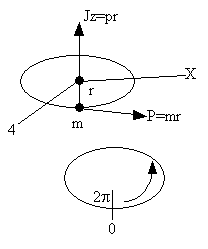
����� Consider a particle of mass m rotating about the z axis a distance r from the origin.
����������������������������������������������������������������������
 ���������������������������������������������������������������
(R3)
���������������������������������������������������������������
(R3)
���������������������������������������������������
����� This time we convert the wave equation to spherical coordinate to obtain (A5p410)
������������������������������������������������������������������
 �����������������������������������������������������������
(R4)
�����������������������������������������������������������
(R4)
����� Classical Energy of a rigid rotator is
���������������������������������������������������������������������
 ��������������������������������������������������������������
(R5)
��������������������������������������������������������������
(R5)
����� where w is the angular velocity (rod/s) and I is the
����� Moment of inertia(A5p555)
��������������������������������������������������������������������
 ������������������������������������������������������������
(R6)
������������������������������������������������������������
(R6)
����� where mi is the mass located and distance ri from the center of mass.
����� Quantum mechanics solutions to the
wave equation gives two quantum numbers,  �and
m.
�and
m.
���������������������������������������� Magnitude of angular momentum
= 
���������������������������������������������� z component of angular momentum = mh
�����������������������������������������������������������������
 ����������������������������
(A5p408,p413) (R7)
����������������������������
(A5p408,p413) (R7)
����������������������������������

����� Let J � l
����� For a linear rigid rotator
�������������������������������������������E =  hcB
J (J+ 1)������������������ (R8)
hcB
J (J+ 1)������������������ (R8)
����� Where B is the rotation constant:
����������������������������� 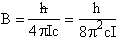 ������������������(A5p557) (R2)
����� with
���������������� c = speed of light
���������������� I = moment of inertia about the center of mass

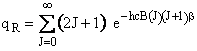
����� The rotational partition function is
�������������������  �����������
(A5p414,563,671) (R9)
�����������
(A5p414,563,671) (R9)
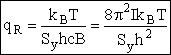
����� Replacing the  by an integral from 0 to � and integrating,
we obtain the rotational partition function qR
for a linear molecule (A5p694)
by an integral from 0 to � and integrating,
we obtain the rotational partition function qR
for a linear molecule (A5p694)
| This is the result we have been looking for! |
������������������  ��������������������������������������
(R10)
��������������������������������������
(R10)
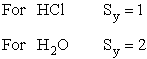
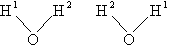
����� where Sy is the symmetry number which is the number of different but equivalent arrangements that can be made by rotating the molecules.
�������������������������������������������
�������������������������������������������
��������������������������������������
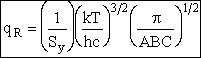
����������� where���������������

����������� Sy = symmetry number. [For discussion
of  see Laidler 3rd Ed. p.99.] For a hetronuclear
molecule = 1 and for a homonuclear diatomic molecule
or a symmetrical linear molecule, e.g., H2,
then = 2.
see Laidler 3rd Ed. p.99.] For a hetronuclear
molecule = 1 and for a homonuclear diatomic molecule
or a symmetrical linear molecule, e.g., H2,
then = 2.
����������� Order of Magnitude and Representative Values
����������� 